
The evolution of casinos a journey through time and chance
The Historical Roots of Gambling
The concept of gambling dates back to ancient civilizations, with evidence found in archaeological sites around the world. The earliest forms of gaming involved simple betting games played with dice, often made from bones or stones. These primitive forms were used not only for entertainment but also for spiritual and social purposes. As societies evolved, so did their games, leading to more structured environments where people could wager on outcomes, marking the inception of organized gambling. Today, many enthusiasts flock to online platforms, such as mafia casino, to experience the thrill of gaming in a modern context.
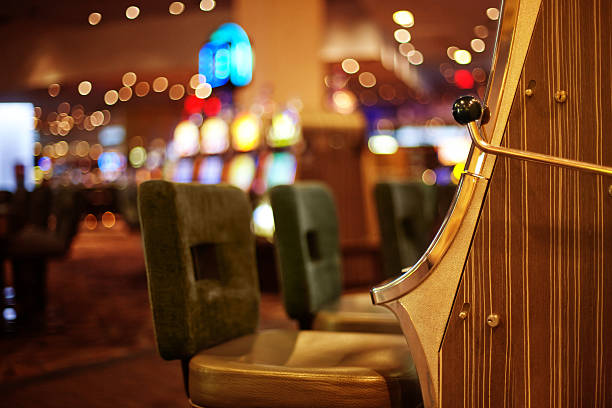
The ancient Greeks and Romans popularized games such as dice and betting on athletic competitions. These societies developed the first gambling laws to regulate activities, revealing a growing recognition of gambling as both a risk and a societal norm. Additionally, in the East, the Chinese were using tiles for a game of chance as early as 2300 BC, establishing a foundational belief in luck and fortune that persists in many cultures today.
The Middle Ages saw the rise of card games in Europe, significantly transforming the gambling landscape. These games became so popular that they spurred the creation of dedicated gambling halls. The development of playing cards in the 15th century marked a pivotal shift, leading to more complex gambling structures. This evolution set the stage for the emergence of modern casinos, blending chance and strategy in a captivating way.
The Birth of Modern Casinos
The modern casino as we know it began to take shape in the 17th century in Italy, where the term “casino” was first used. These establishments were initially small private clubs for the elite, featuring card games and betting. Over time, the popularity of these venues grew, leading to larger, more formal establishments that catered to the public. The Casino di Venezia, established in 1638, is considered one of the world’s first official casinos, setting a precedent for future gambling venues.
The 18th century saw casinos spread across Europe, with places like Monte Carlo becoming synonymous with luxury and high-stakes gambling. These venues attracted royalty and the wealthy, establishing an elite gambling culture that emphasized glamour and sophistication. However, it was not just the rich who participated; gaming became increasingly accessible to the general public, leading to the establishment of various gambling formats to cater to diverse audiences.
As we moved into the 19th century, the invention of roulette and baccarat introduced new dynamics to gambling games, emphasizing both luck and strategy. This era also brought about the legalization of gambling in various regions, further embedding casinos into societal culture. The expansion of railroads made travel to these gambling hubs easier, allowing more players to experience the thrill of casinos, thereby enhancing their popularity.
The Rise of Las Vegas and Global Expansion
The mid-20th century marked a significant turning point with the emergence of Las Vegas as the world’s gambling capital. The legalization of gambling in Nevada in 1931 led to the development of extravagant casino resorts that combined gambling with entertainment and hospitality. These all-in-one destinations attracted millions of visitors each year, promoting a lifestyle centered around chance and thrill, ultimately making Las Vegas a global icon.
As Las Vegas flourished, other regions began to follow suit, creating their own gambling industries. Atlantic City emerged in the 1970s as another major hub, while countries around the world began legalizing casinos to boost tourism and generate revenue. Countries such as Australia, Singapore, and Macau have since established themselves as significant players in the global casino market, offering unique experiences that cater to both locals and tourists.
This global expansion of casinos has been accompanied by technological advancements, particularly in online gaming. The late 1990s and early 2000s saw a surge in online casinos, allowing players to gamble from the comfort of their homes. This shift has not only broadened the audience for gambling but has also introduced a new dimension of convenience and accessibility, reshaping the landscape of chance-based entertainment.
The Impact of Technology on Casinos
As technology has advanced, so too has the casino experience. The introduction of electronic gaming machines in the 20th century changed the way people engaged with games of chance. Slot machines became a staple in casinos, appealing to a broader audience due to their simplicity and potential for large payouts. These machines evolved into video slots with immersive themes, enticing graphics, and bonus features, drawing in players who might not have been interested in traditional table games.
The rise of mobile gaming has further transformed the casino landscape. Today, players can access their favorite games anywhere, anytime, thanks to smartphones and tablets. Mobile casinos offer a diverse range of games, from slots to live dealer experiences, providing convenience and flexibility. This evolution reflects changing consumer preferences and highlights the industry’s commitment to staying relevant in a fast-paced technological environment.
Virtual reality (VR) is the next frontier for casinos, promising an even more immersive experience. With VR technology, players can engage in realistic casino environments, interacting with other players and dealers in real time. This innovative approach could redefine how people perceive gambling and social interaction, creating a community that transcends geographical boundaries. As technology continues to advance, the possibilities for the future of casinos seem limitless.

Discovering the Future with Mafia Casino
At the forefront of this exciting evolution in gaming is Mafia Casino, a premier online gaming platform that embodies the transformation of the casino experience. With an extensive selection of slots and live dealer games, Mafia Casino offers something for everyone, from beginners to seasoned players. The platform is designed to provide an engaging and seamless gaming experience, allowing users to dive into thrilling gameplay without any hassle.
Mafia Casino takes pride in offering generous promotions and bonuses, including a welcome bonus that enhances player value right from the start. By prioritizing user experience, the platform ensures that players enjoy not only top-rated games but also rewards and cashback opportunities, making each gaming session memorable. This focus on customer satisfaction highlights Mafia Casino’s dedication to creating a vibrant online gaming community.
As the evolution of casinos continues, platforms like Mafia Casino are leading the way in redefining what it means to gamble in the modern world. By embracing new technologies and trends, they not only cater to traditional gaming enthusiasts but also attract a new generation of players seeking innovative and exciting experiences. The journey through time and chance is ongoing, and Mafia Casino is poised to be an integral part of it.